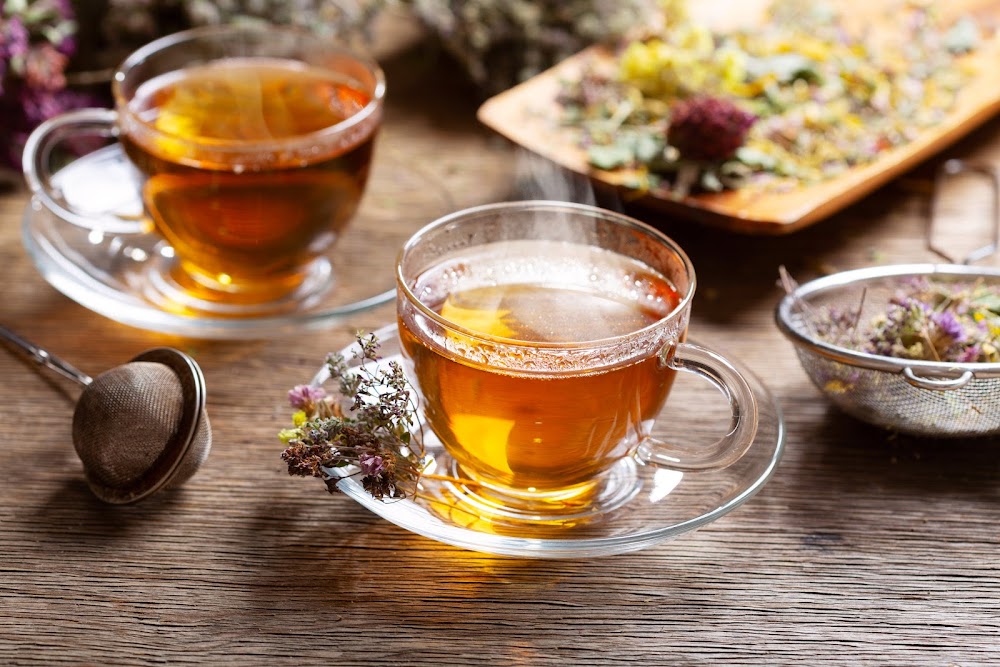
Are you tired of feeling bloated and gassy after every meal? It’s time to turn to nature for some relief! Herbal teas have been used for centuries to aid digestion and soothe the stomach. In this blog post, we will explore five herbal teas that can help alleviate bloating and gas. From chamomile tea to licorice tea, these natural remedies are both delicious and effective. So sit back, relax, and let’s dive into the world of herbal teas!
Chamomile Tea
Chamomile tea is a popular herbal remedy that has been used for centuries to combat digestive issues, including bloating and gas. This tea is made from the dried flowers of the chamomile plant, which contains compounds that have anti-inflammatory properties.
Drinking chamomile tea can help soothe an upset stomach and reduce inflammation in the digestive tract. It also helps relax muscles in the intestines, allowing food to move more easily through your system.
To make chamomile tea, simply steep 1-2 teaspoons of dried chamomile flowers in hot water for 5-10 minutes. You can add honey or lemon to taste if desired. Drinking a cup of this delicious and relaxing tea after meals may help relieve bloating and gas symptoms.
Chamomile tea is not only great for digestion but also promotes relaxation and sleepiness due to its calming effects on the body. So next time you feel uncomfortable after eating, try sipping on some soothing chamomile tea!
Peppermint Tea
Peppermint tea is a great herbal remedy for bloating and gas. Peppermint has been used in traditional medicine for centuries because of its medicinal properties. It contains menthol, which helps to relax the muscles in the digestive tract, reducing bloating and gas.
To make peppermint tea, you can use fresh or dried mint leaves. Simply boil water and pour it over the leaves in a teapot or cup. Let it steep for 5-10 minutes before straining out the leaves.
Peppermint tea not only helps with digestion but also has other health benefits like easing headaches and improving mental focus. It’s also caffeine-free, making it an excellent option to have before bed.
It’s important to note that if you suffer from acid reflux, peppermint may exacerbate your symptoms as it can cause relaxation of the esophageal sphincter muscle.
Peppermint tea is a refreshing and natural way to ease bloating and gas discomfort while providing additional health benefits without any side effects.
Ginger Tea
Ginger is well-known for its anti-inflammatory properties and has been used as a natural remedy for centuries. Ginger tea is one of the most popular herbal teas consumed worldwide, especially in Asian countries.
To make ginger tea, all you need to do is slice fresh ginger root into thin pieces and add it to boiling water. Let it steep for a few minutes before straining out the ginger slices.
Drinking ginger tea can help alleviate bloating and gas by promoting digestion and reducing inflammation in the gut. It also helps soothe nausea, making it an ideal choice for those experiencing digestive discomfort.
Ginger tea can be enjoyed on its own or with added honey or lemon juice for extra flavor. Its spicy taste may not be everyone’s cup of tea (pun intended), but it’s definitely worth trying if you’re looking for a natural solution to your digestive problems.
Incorporating ginger tea into your daily routine could provide relief from bloating and gas while also offering numerous other health benefits.
Fennel Tea
Fennel tea is another herbal remedy that you can consume to ease bloating and gas. Fennel seeds have been used as a digestive aid for centuries, and fennel tea is an easy way to get the benefits of this powerful herb.
Fennel contains compounds that help relax the muscles in your digestive tract, which can relieve spasms and reduce bloating. It also has anti-inflammatory properties that can soothe inflammation in your gut.
To make fennel tea, simply steep 1-2 teaspoons of crushed fennel seeds in boiling water for 5-10 minutes. You can also add other herbs like ginger or chamomile for added flavor and benefits.
It’s important to note that while fennel tea is generally considered safe, it may interact with certain medications or cause allergic reactions in some people. As always, consult with your healthcare provider before adding any new herbal remedies to your routine.
In summary, if you’re looking for a natural way to ease bloating and gas, give fennel tea a try! Its unique flavor and potent medicinal properties make it a popular choice among those seeking digestive relief.
Licorice Tea
Licorice tea is another herbal remedy that can provide relief from bloating and gas. Licorice root contains compounds that have anti-inflammatory properties, which can help to soothe the digestive system and reduce inflammation in the gut.
One of the main benefits of licorice tea is its ability to stimulate the production of mucus in the stomach lining. This can help to protect against irritation and damage caused by stomach acid, making it a useful treatment for conditions like acid reflux and GERD.
In addition to its anti-inflammatory properties, licorice root has also been shown to have mild laxative effects. This means that it may be helpful for relieving constipation and promoting regular bowel movements.
When preparing licorice tea, opt for high-quality loose leaf tea or pre-packaged tea bags made with pure licorice root. It’s important to note that excessive consumption of licorice products can lead to high blood pressure, so it’s best to limit your intake or speak with a healthcare professional before adding this powerful herb into your daily routine.
If you’re looking for a natural way to relieve bloating and gas while also supporting overall digestive health, consider giving licorice tea a try!
How to make herbal tea
Making herbal tea is a simple and enjoyable process that can be done in just a few minutes. First, start by boiling water in a teapot or kettle. You want to use fresh, cold water because it has more oxygen which helps bring out the flavor of the herbs.
Once the water comes to a boil, add your chosen herb(s) into an infuser or tea strainer and place it inside your cup. Pour the hot water over your herb(s) and let it steep for 3-5 minutes.
If you prefer stronger tea, you can leave the infuser/strainer in longer but be careful not to over-steep as some herbs can become bitter if left too long. After steeping remove the infuser/strainer from your cup and enjoy!
For fresher taste try adding freshly squeezed lemon juice or honey. Remember when making herbal tea it’s important not to mix different types of herbs at once as this may affect their potency/effects.
Making herbal teas at home is fun & easy! Try experimenting with different combinations until you find one that suits your taste buds best!
Read Also: “M Boutique Hotel, Ipoh Gym”: A Great Place to Stay Fit and Healthy
Conclusion
Bloating and gas can be uncomfortable experiences, but thankfully there are natural remedies available to help manage the symptoms. Herbal teas have been used for centuries as a digestive aid and provide relief from bloating and gas.
Chamomile tea is known for its calming properties that help relax stomach muscles and reduce inflammation. Peppermint tea has antispasmodic effects that soothe the digestive tract muscles, while ginger tea helps speed up digestion and relieve nausea.
Fennel tea works wonders in reducing abdominal cramps, flatulence, and constipation by relaxing intestinal muscles. Licorice root tea contains anti-inflammatory compounds that soothe gastrointestinal issues.
By incorporating these herbal teas into your daily routine along with a healthy diet and exercise regime, you can effectively manage bloating and gas naturally without resorting to medication or other harsh treatments. So why not give them a try today? Your tummy will thank you for it!