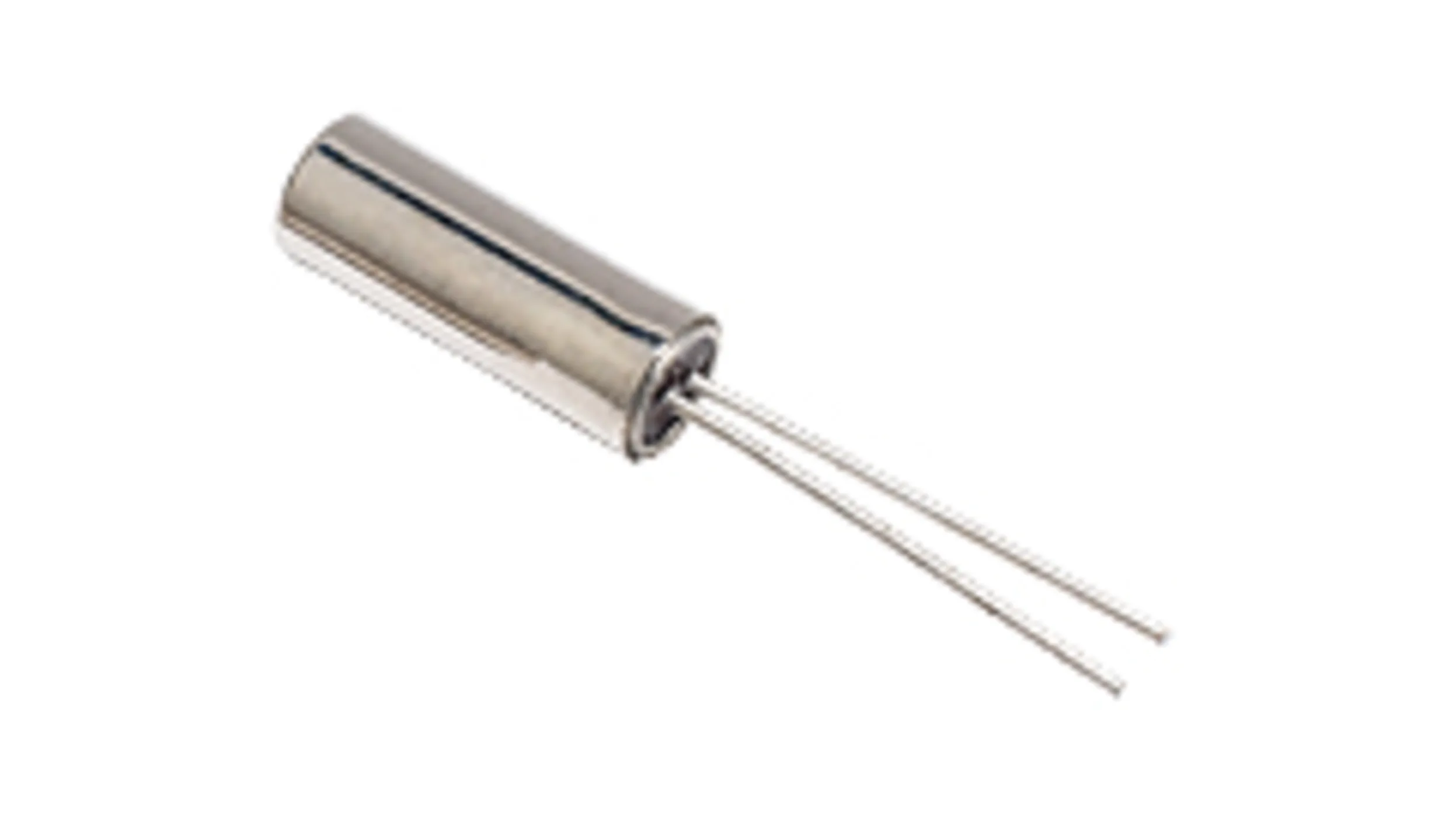
Are you familiar with the tiny yet mighty 32.768 khz crystals? These minuscule components may seem insignificant, but they possess a power that can revolutionize your electronic devices. In today’s blog post, we’re diving into the world of these remarkable crystals and uncovering the secrets behind their immense potential. Whether you’re an electronics enthusiast or simply curious about cutting-edge technology, get ready to unlock the hidden powers of 32.768 kHz crystals as we reveal five essential things you need to know!
The Role and Significance of Crystals in Electronic Devices
As conductors in a symphony orchestra, crystals are the indispensable gears in electronic devices, orchestrating synchronicity. Their unmatched precision renders them invaluable for timekeeping applications like clocks and timers, contributing to the flawless operation of various digital devices.
Beyond timekeeping, crystals assume a pivotal role in wireless communication technologies such as Bluetooth and Wi-Fi, offering a steadfast reference frequency for seamless data transmission devoid of interference or drift. Moreover, they contribute to energy conservation by optimizing power consumption, allowing features like sleep modes and idle state detection—ultimately extending battery life.
These crystals operate as unsung heroes, elevating technological encounters with stability and precision. Stripped of them, our modern world would lose its rhythmic cadence.
Now, let’s immerse ourselves in the captivating universe of the 32.768 kHz frequency for a more targeted exploration!
Decoding the 32.768 kHz Frequency
Crucial to the operation of electronic devices, crystals, particularly those oscillating at 32.768 kHz, hold paramount significance. The “kHz” denotes one thousand cycles per second, indicating the frequency at which a crystal oscillates or vibrates within a specific timeframe.
Widely employed for timekeeping in applications like real-time clocks (RTCs) and quartz watches, the 32.768 kHz frequency aligns with common power supply frequencies in most countries, ensuring precise timekeeping. Its attributes of low power consumption and accuracy render it ideal for battery-powered devices.
Constructed often from quartz material, these crystals exhibit exemplary piezoelectric properties, generating electrical charges under applied pressure or induced electric fields.
Beyond timekeeping, 32.768 kHz crystals find applications in temperature-sensing circuits and wireless communication systems employing radiofrequency (RF) technology. However, constraints exist, such as their lower frequency range, potentially falling short of high-speed data processing requirements.
Additionally, their physical size may pose challenges in designing compact electronic devices, occupying more space compared to smaller alternatives. Despite these limitations, their widespread utilization across industries underscores their versatility and indispensability in electronic applications.
How 32.768 kHz Crystals Drive Electronic Devices
32.768 kHz crystals serve as vital components in various electronic devices, acting as the stable heartbeat of electronic systems to ensure precision and accuracy. They find common use in real-time clocks (RTCs), supporting timekeeping in watches, alarm clocks, and industrial control systems with efficient power consumption.
These crystals are also employed as timing references in microcontrollers and microprocessors, enabling synchronous operation and specific task execution intervals. In wireless communication modules like Bluetooth Low Energy (BLE) or Zigbee, the precise timing offered by the crystals ensures reliable data transmission without interference.
Additionally, 32.768 kHz crystals play a crucial role in battery-powered IoT devices, optimizing power usage through sleep modes or duty cycling. This utilization extends the battery life of smartwatches, fitness trackers, and other energy-efficient gadgets.
Their versatility makes these crystals indispensable in countless electronic applications where precise timing is paramount. Whether checking the time on a watch or seamlessly connecting wireless headphones, the humble yet essential 32.768 kHz crystal plays a key role.
Advantages and Limitations of 32.768 kHz Crystals
Many electronic devices use 32.768 kHz crystals to provide excellent timekeeping accuracy, especially for applications such as real-time clocks and timers. Their attributes of high stability and low power consumption ensure precise timing, proving advantageous in battery-powered devices.
Another key advantage lies in the compatibility of 32.768 kHz crystals with various microcontrollers and integrated circuits (ICs). Their compact packages make them easily integratable into space-efficient designs.
However, it’s essential to acknowledge associated limitations. The relatively low frequency range may render them unsuitable for applications requiring fast data processing or high-speed communication. Additionally, while offering excellent accuracy over extended periods, these crystals may experience slight frequency drift due to environmental factors such as temperature variations.
Despite these limitations, the benefits of accuracy and compatibility make 32.768 kHz crystals favorable for applications prioritizing precise timekeeping over high-frequency processing. The strategic use of these crystals involves carefully considering specific application requirements, leveraging their advantages, and addressing limitations through thoughtful design considerations.
Tips for Choosing and Implementing Crystals in Your Designs
Incorporating crystals into electronic designs necessitates careful consideration. Here are essential tips for making informed choices and ensuring seamless implementation:
- Prioritize Accuracy: The accuracy of the crystal directly influences device performance. Opt for crystals with tight tolerances, especially for applications like watches or real-time clocks where precise timekeeping is essential.
- Manage Load Capacitance: Pay attention to load capacitance, impacting frequency stability and oscillation characteristics. Choose external capacitors that align closely with the specified load capacitance range provided by the crystal manufacturer.
- Address Temperature Considerations: Temperature changes can affect crystal performance, causing frequency drifts or failure in extreme conditions. Select crystals designed for temperature compensation or incorporate appropriate compensating circuitry to minimize temperature-related effects.
- Consider Size Constraints: In space-limited designs, opt for compact yet reliable crystals. Surface-mount options may be suitable for smaller designs, but be mindful of potential impedance differences compared to through-hole counterparts.
By adhering to these tips, especially when selecting and implementing 32.768 kHz crystals, you can develop electronic devices that are both efficient and accurate. For optimal results, seek advice from experienced engineers familiar with the specific requirements of your application.
Read Also: Mastering Sticker Collection in Monopoly Go
Conclusion
Our examination of 32.768 kHz crystals has highlighted their crucial role as indispensable components in electronic devices, serving as the heartbeat for precise timing and synchronization. These crystals, known for their stability and accuracy, have become a cornerstone in timekeeping applications, utilizing the widely recognized frequency of 32.768 kHz due to its low power consumption and compatibility with microcontrollers.
Exploring their applications, especially in real-time clocks (RTCs) and watch crystals, revealed their essential contribution to wearables, medical equipment, and industrial automation. While these crystals offer benefits such as affordability and accurate timekeeping, considerations for temperature sensitivity and external factors were acknowledged.
Practical tips provided for optimizing crystal performance emphasized factors like load capacitance, meticulous specification evaluation, and effective noise interference reduction on PCB layouts. Real-life applications showcased the versatility of 32.768 kHz crystals, from smartwatches to sophisticated scientific instruments.
As technological advancements continue, the increasing demand for reliable timing solutions, exemplified by 32.768 kHz crystals, opens up new possibilities. With their compact yet powerful capabilities, these crystals persist in playing a pivotal role across various industries, ensuring accuracy down to milliseconds.